Why Focus On Nutrition
Good
nutrition is a key factor in any successful rehabilitation, wellness, or
performance program. Good dietary practices keep your weight in check,
strengthen your immune system, reduce inflammation, speed injury recovery,
prevent disease, improve the overall quality of your life, improve sports
performance, and can even revitalize your sex life.
When
I treat my patients or provide them with exercises, I usually expect
to see results within a short period of time. If I don’t see those
results, the most common reason (besides the patient missing appointments or
not doing their exercises) is often diet. For some reason, patients think
they can keep their bodies dehydrated, stuffed full of fast foods, processed
junk, and somehow not pay the price.
The
good news is that once patients focus on certain key aspects of
nutrition, it is very common to see:
• Resolution of chronically
non-responsive injuries.
• Blood pressure returning to
normal.
• Heart arrhythmias diminish.
• Weight no longer becomes an
issue.
• Osteoarthritis come under
control.
• Diabetic states (Type II)
return to normal, and
• Resolution of a host of other
conditions.
Also,
what is really incredible, is when I see my patients turn back their biological
clocks.
It is wonderful to see patients full of energy and enjoying
their lives in a pain-free state. They don't restrict their lives by the
limiting standards that society sets for their age. In contrast,
I see individuals in their 5th, 6th and 7th decades doing anything they
want, without restrictions. That also means that they often no longer
need the blood pressure pills, anti-inflammatory medications, pain killers, or
the viagra.
So
please take advantage of the information in this blog. In many cases it will
make the difference between success, failure, or even decades of improved
health.
Now for my standard disclaimer: If you have any
type of medical condition, please see your medical doctor for their
advice. This blog cannot be used to diagnosis or treat any specific
medical condition. That being said, lets start
with fuelling our body properly.
You Need Fuel - The Building Blocks
Let
your gas tank run dry, your engine run out of oil, or your car's radiator run
out of water, and the outcome is obvious. Yet people somehow think they
can eat sporadically, with no regard for the quality of food they consume,
without suffering major consequences.
Think
about this. Consider what happens if you don’t fuel your body on a regular
basis (i.e. skip meals because you are too busy to eat). Your body
needs fuel, so in this scenario your body turns to the best source of
fuel it can find - your lean muscle mass - not your fat (nature is
unjust I know). Thus, your body first goes after those muscles that you have been
trying to develop. Consequently instead of getting stronger, healing injuries
or losing weight, you end up getting weaker, staying injured and end up storing
fat in all the wrong places.
Therefore,
you need to fuel you body frequently with all the right building blocks,
if you are going to succeed in making those positive changes we all like
to see. Specifically, you need to eat 5 or 6 small meals throughout
the day (small portions of course). Essentially you need to eat
every 2 to 3 hours. This will have several positive effects: it
will help balance your blood sugar, accelerate healing, and provide you
with the energy you need for exercising. Don’t worry about
gaining weight, as mentioned eating more frequently will help to balance your blood sugar
levels and you will have tendency to much eat less.
On
the other hand if you would like to gain weight, consider what ranchers do to
cattle before going to market. Ranchers only feed the cattle a couple of
times per day (lots of gains), which leads to considerable weight gain. So if
you would like to fatten yourself up for market, two meals a day should work
well.
Key point: Skipping meals, not eating breakfast, or going on a low calorie diet
causes larger changes in your blood sugar levels, and makes you want to have
larger meals or binge eat.
Obviously, our
bodies need a regular supply of good quality food. So
let's talk about the three essential building blocks that each meal
or snack should contain. These essential building blocks are: complex
carbohydrates, proteins, and essential fatty acids
Carbohydrates
When you eat Carbohydrates they are converted into glucose which is either used immediately or stored in your liver and muscles as glycogen. Your body taps into this glycogen as a source of fuel when needed.
Your brain runs on glucose which is
primarily derived from carbohydrates. Except
for the process of glucogneogensis. This is where the liver breaks down fat to
release energy, the conversion of protein to sugar.
The key to consuming carbohydrates is to eat them in balance with proteins and essential fatty acids. As much as you need carbohydrates we also need to sure not to over indulge in then. Over indulgence, especially in refined carbohydrates, will have several negative effects such as: weight gain, increased inflammation, decreased immune function, even a decrease in cognitive function.
This is especially true in the elderly. A diet to high in refined carbohydrates will often dull the mind. Glucose typically enchances cognitive function, but high levels of simple sugars (refined carbs) disrupts glucose and insulin metabolism. This can lead to mild cognitive impairment (MCI) and have has been linked to states of dementia.
Carbohydrates and muscle
development.
Body builders know that protein is a critical element for muscle growth.
However, most people do not realize that eating carbohydrates causes the
release of insulin, which is an essential factor in making the amino acids
derived from proteins available for muscle growth.
Of course the volume and type
of carbohydrates you eat is extremely important. You need to be very
selective about the types of carbohydrates you consume.
Processed or refined
carbohydrates should be avoided at all cost.
Refined carbohydrates are easily converted and stored as fat,
are devoid of nutrients, and play havoc with your insulin levels.
Carbohydrates and Weight Loss
If you need to lose weight, then fresh vegetables that are low on the glycemic index are your best choice of complex carbs. Also vegetables and nuts that are high in magnesium such as spinach, kale and pumpkin seeds. This will increase a hormone called adiponectin. Adiponectin is involved signalling you body to burn more fat. The higher body fat percentage you have the less of this hormone in your system.
Some of the vegetables I would recommend to help you reduce your weight are:
• Spinach,
lettuce, cabbage, kale, collard greens, and leeks.
• Broccoli,swiss
card, brussels sprouts, cauliflower, watercress, radishes, rapini, and arugula.
• Artichokes and
asparagus.
• Green beans and
zucchini.
• Herbs, garlic,
onions and leeks.
An important point here - not all vegetables are going to help
you lose weight. Starchy vegetables such as corn, potatoes, turnips,
parsnips, and beets, if eaten in significant amounts, will help you store
fat not lose it.
Here is the problem, these vegetables taste great, but they can cause spikes
in your blood sugar, which can then cause the release of excessive amounts of
insulin. This increase in insulin makes you very efficient at fat
storage, and it makes it almost impossible for you to lose weight.
Carbohydrates to avoid if your goal is weight loss - Any food that can cause a spike in your blood sugar
level can make you gain weight.
• The obvious
ones: Cakes, pies, candies, donuts, cookies, crackers, muffins, ice cream,
chocolate, cereals out of a box, potato chips. Any thing high in refined sugar or corn syrup. Anything that contains corn syrup will spike you blood sugar levels. This is just about anything that comes in a box.
• The not so
obvious ones: Orange juice (not freshly squeezed), whole wheat bread (and white
bread), salad dressings, low fat baked goods, oatmeal, rice, pastas, canned vegetables.
Key Point:
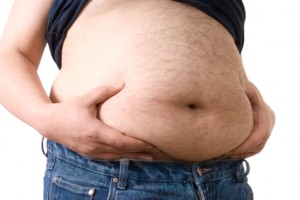
It not just the carbohydrates that are making you fat. That belly that many people develop comes from the total caloric input. A simple equation - if you eat more than you burn you end up storing it as fat, no matter where the calories come from.
Once the extra weight is gone
If weight is not an issue I would recommend that you eat a balanced diet of low and medium carbohydrates on the glycemic index. This should be a combination of fresh vegetables, fruits, whole grains (such as brown rice), and even sweet potatoes. These foods are high in vitamins, minerals and fibre. Please Note: You should still focus on avoiding refined carbohydrates. It's actually hard to call many of these refined carbs "food". This is because these packaged substances are so void of nutrients and are related to a plethora of pathological conditions.
One more comment - Acidic Carbs - An
interesting thing about refined carbohydrates is that these foods are also very
acidic. Research has shown that over a period of time acidic diets can
lead to states of disease, dysfunction, and overall poor health. We will acidity and the pH of your diet are we proceed through this blog.
The
choice is yours
Eat to many refined carbs and you get fat, decrease immune function,
inflame your body, slow healing, and dull you mind. Avoid refined carbohydrates and start eating nutrient rich, high fibre complex carbohydrates and you will
take a big step in improving your health.
You
need good quality protein if you are going to repair your body, increase your
muscle mass, synthesize hormones, and produce antibodies and
hemoglobin (which is responsible for delivering oxygen to your cells).
Protein
is essential - there is no getting around it. If you are not a vegetarian,
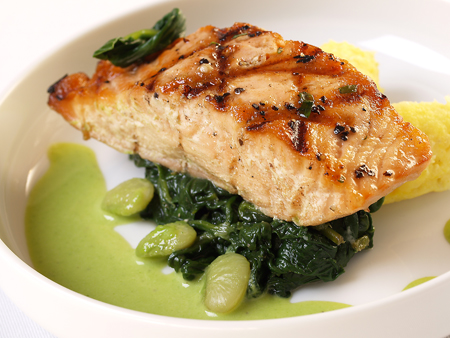
the best sources of protein are cold water fish. Fish such as wild
salmon, herring, mackerel, trout, and tuna are your best choices. If you
can, try to eat wild sources of fish due to the increased level of lead,
mercury and PCBs in farmed fish.
If
you are in the mood for red meat, stick to organic lean cuts. In general,
be careful how much red meat you are consuming. If you have an acute
injury do NOT eat red meat. This is because red meat contains high levels
of aracadonic acid. Aracadonic Acid (A.A.) leads to pro
inflammatory reactions which could inhibit your repair processes. I also
recommend consuming organic beef since all other types have very high
levels of antibiotics.
Chicken
can be another great source of protein, but stick to the white meat. Your best
choice of chicken would be organic, free range hens. Unfortunately, due to
factory farming, most chickens today are full of antibiotics and other
hormones.
Organic
dairy can also be a good source of protein, but be careful of the high levels
of fat and calories in dairy products. Also, diary can have high levels of aracadonic
acid, which will increase pro-inflammmatory reactions.
Note:
Quite often people will think they are allergic to dairy foods, but what they
are really allergic to are the antibiotics in the dairy.
Eggs
are also a excellent source of protein. Just be aware that egg yolks are
very acidic, and may promote inflammatory reactions. Egg whites are one
of your best sources of protein and are easily digested. My
recommendation is for you to mix egg whites with one whole egg to reduce
possible inflammatory reactions.
For those of you that are vegetarians: tofu, beans, lentils, soy, nuts,
seeds, figs, dates, and avocados are great sources of protein.
The key
with protein is to balance your protein intake with complex
carbohydrates. Too high of a protein intake causes moderate metabolic
acidosis. This cause an increased production of the hormone called cortisol
(a stress hormone) which promotes visceral obesity (makes you fat around the
middle).
Visceral
obesity has a considerable impact on insulin function. Even a modest amount of
cortisol can cause increased cellular resistance to insulin, which promotes development
of type 2 Diabetes.
A little more on Cortisol
Think of the cortisol in your body an a barrier to weight loss This stress hormone is basically a fat burning barrier. The more circulating cortisol in your body the stronger your cravings will be for refined carbohydrates.
Cortisol also has one other nasty effect, it cause your muscles to break down so your body can have access to more energy. This is great if you are trying to get away from an attacking lion, but most people I know do not need this evolutionary adaptation.
Even Worse, the less muscle mass you have the slower your metabolism. Then there is the nasty cyclic nature of cortisol, which work like this. If your cortisol increases you will have an increase in abdominal fat being stored. The more abdominal fat (visceral fat) you have the more cortisol you produce with each stressful situation. With all the weight gain no wonder that high levels of cortisol are related to depression.
Fortunately there are some simple Tai Chi Breathing and Yoga exercises that you can perform that have been shown to reduce high levels of cortisol in your body. These exercises will be part of our blog on stress reduction.
So remember, include protein with every meal,
but in balance with complex carbohydrates. I
 Do you want more information about this, and other topics. Our books
(eBooks and hard-copy) provide more information about soft-tissue injuries,
rehabilitative exercises for injury recovery, and how to use these to activate
and restore all the structures of your kinetic chain.
Do you want more information about this, and other topics. Our books
(eBooks and hard-copy) provide more information about soft-tissue injuries,
rehabilitative exercises for injury recovery, and how to use these to activate
and restore all the structures of your kinetic chain.
 Bunions (Hallus Abducto Valgus) are a common foot problem that affects the joint at the base of the big toe (first metatarsophalangeal joint). In Latin “bunion” means enlargement, while “hallux abducto valgus (HAV)” refers to a bending inwards of the big toe as seen on the image. As you see, the big toe bends in towards the other toes while the bone behind it (1st metatarsal) pushes outward. This creates a considerable amount of stress on the joint (first metatarsophalangeal joint). Due to this bending inwards, a sharp angle at the big toe joint is created, resulting in the formation of a bunion. Initially, this enlargement is composed of swollen tissue which becomes irritated by any external pressure (for example tight shoes). Eventually this swollen tissue thickens to form a very large lump or bunion.