Showing posts with label dance injuries. Show all posts

Monday, May 9, 2011

Interesting Facts About Dancers


“Ballet ranks with football as the most demanding of all physical activities and sports”. 
  • Since 1978 – 3000 articles have been published on dance injuries.
  • Between 75-97 % annual incidence of injury reported among professional dancers.
  • 80% of dancer have a major injury during their carrier.
  • 93% of dance teachers become teachers because of injury. These injuries often go untreated (often due to financial constraints)
  • 65% of injuries dance are overuse 35% are acute or traumatic injuries Byhring 2002.
  • Only 2% of dance injuries need surgery – 98% can be treated with conservative therapy (Physiotherapy, Chiropractic, Active Release, Graston).
  • The average dancer does 200 one leg landing jumps per class – These jumps can produce a force equivalent to 12 times the dancers body weight.
  • There are two common four letter swear words in dance “ Food” and “Rest”.
A high level of fatigue is common in most dancers – Many of the injuries that occur, happen during times of increased fatigue. There are three main deleterious effects of fatigue, that are very well documented: decrease proprioception, impaired balance, decrease joint stability – Altered muscle recruitment patterns
  • Burnout is very common in dancers, which causes: decreased strength, decreased coordination, decreased cognitive function, decreased immune function
  • Burn out often comes from prolonged stress – dancers are often perfectionists (unrealistic standards, self critical, full of self doubt, often have perfectionist parents).
Stress usually manifest is three stages ( Dr. Hans Selye’s “General Adaptation Syndrome).
Stage One
  • Increase heart/respiration rate (increased blood pressure)
  • Stomach problems (blood flow is being moves from GI tract to Skeletal muscles).
  • Increased muscles tension (decreased flexibility, coordination, muscle pain common, headaches).
  • Decreased cognitive function
Stage Two
  • Level of fatigue increases (affects mental attitude – avoidance strategies common, avoidance of tasks etc, increased procrastination).
  • Overall lack of motivation
  • Insomnia common (associated weight gain – increased stress hormones, alteration in eating patterns)
Stage Three
  • Depression
  • Chronic fatigue (mental and/or physical)
  • Increase in health problems
  • Avoidance of all activities

Prevention of burnout in dancers requires several key
aspects:
  • Balancing activity with rest
  • Periodization training (Professional dancers do not do what other athletic disciplines do, they often dance at same level throughout the year).
  • Sleep
  • Good dietary habits – Dancers are known for the three nutritional C’s – Coffee, Cigarettes, and Candy


If you would like more information or to purchase our books please go to www.releaseyourbody.com . 

If you would like information about our clinic in Calgary Alberta please go to www.kinetichealth.ca.

(COPYRIGHT KINETIC HEALTH 2012 – ALL RIGHTS RESERVED)

Friday, September 17, 2010

Lateral Foot Pain - Cuboid Syndrome – Part Two


Symptoms
Patients who have cuboid syndrome often complain of lateral foot pain, or weakness in their feet. Pain from cuboid syndrome can also radiate to the front of the ankle. This pain is often more noticeable during time of exertion (toe-off portion of the gait cycle), or on impact.

The type of pain found in cuboid syndrome may not be a very good indication of this condition.Pain can be intermittent, or persistent, it can also develop suddenly or slowly over a period of time.

Diagnosis and Imaging
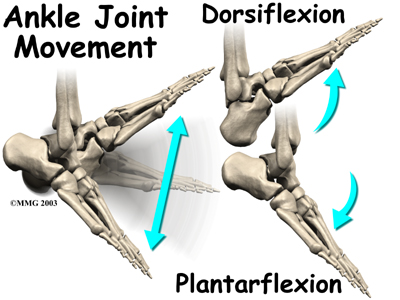
Upon physical examination, the patient may have pain directly over the cuboid bone (especially when pressure is applied dorsally on the plantar surface). In some cases there may be bruising, redness and swelling. Range of motion in the ankle is often limited in cuboid syndrome (dorsi and plantar flexion).

X-rays, CT scans or MRIs are of little value in the diagnosis of cuboid syndrome. The only reason an X-ray is of value in the diagnosis of this syndrome is to rule out fractures or some type of pathological condition.

Treatment
Several forms of manual therapy can be used in treating this condition. The sooner that treatment is implemented the faster the results will be.

  • Manipulation: One of the most successful treatments we have found is manual manipulation. A therapist training in extremity manipulation (chiropractor, physiotherapist, podiatrist) can often reduce the pain of cuboid syndrome in a short period of time.

If you would like more information or to purchase our books please go to www.releaseyourbody.com . 

If you would like information about our clinic in Calgary Alberta please go to www.kinetichealth.ca.

(COPYRIGHT KINETIC HEALTH 2012 – ALL RIGHTS RESERVED)


Blakeslee TJ, Morris JL. Cuboid syndrome and the significance of midtarsal joint stability. J Am Podiatr Med Assoc. 1987;77:638-642.
Marshall P, Hamilton WG. Cuboid subluxation in ballet dancers. Am J Sports Med.1992;20:169-175.
Mooney M, Maffey-Ward L. Cuboid plantar and dorsal subluxations: assessment and treatment. J Orthop Sports Phys Ther. 1994;20:220-226.
Newell SG, Woodle A. Cuboid syndrome. Phys Sports Med. 1981;9:71-76.

Thursday, September 16, 2010

Lateral Foot Pain - Cuboid Syndrome - Part 1


Lateral Foot Pain - Cuboid Syndrome – Part One
Cuboid syndrome is a condition that causes lateral foot pain. In forty percent of cases Cuboid syndrome is associated with lateral ankle sprains (inversion sprain). This syndrome affects the joint (capsule), ligaments, and tendons (peroneus longus tendon).
This syndrome is defined as a “minor disruption or subluxation of the structural congruity of the calcaneocuboid portion of the midtarsal joint”. In laymen’s terms, the cuboid bone has moved from its normal position in the joint.

It is a common syndrome, but not well-recognized by practitioners. Cuboid syndrome also goes by several other names: subluxated cuboid, dropped cuboid, cuboid fault syndrome, and lateral plantar neuritis.

Anatomy/Biomechanics
The calcaneocuboid joint is a vital link in lateral foot stability. This joint is susceptible to sudden injury or chronic strain, which can cause this joint to partially dislocate or subluxate.

The cuboid bone is one of the seven tarsal bones of the foot.
  • Joint Anatomy: The cuboid articulates with the fourth and fifth metatarsals forming a joint (tarsometatarsal joint). It also articulates with the heel bone (calcaneus), forming a joint (calcaneocuboid joint). On the inside (medially) the cuboid articulates with two bones (lateral cuneiform and the navicular). An alteration of the cuboid can have a considerable effect on the joint biomechanics of the foot.
If we were to view the bottom of the cuboid bone we would see a groove where the tendon of the peroneus longus muscle runs along it.
The peroneus longus acts as a stabilizer of the forefoot. The cuboid bone acts as a pulley which increases mechanical advantage for the peroneus longus muscle.
Causes

A single impact injury or repetitive motion can cause this syndrome to occur. Runners and dancers (especially ballet dancers) are susceptible to this injury because of the high levels of repetitive impact. In addition basketball players or racquet sport players also are susceptible due to the lateral motions required to play these sports.

If a person abnormally pronates their foot during the push off phase of gait, they will be more susceptible to a cuboid injury. Excessive pronation causes an increase in force transferred to the cuboid bone which causes instability and a resultant injury.
In part two of Cuboid Syndrome we will cover, symptoms, examination, diagnosis, and treatment.

Lateral foot pain part two...


If you would like more information or to purchase our books please go to www.releaseyourbody.com . 

If you would like information about our clinic in Calgary Alberta please go to www.kinetichealth.ca.

(COPYRIGHT KINETIC HEALTH 2012 – ALL RIGHTS RESERVED)

Thursday, August 5, 2010

Medial Ankle Pain – FHL Injury - Part 2


Special Considerations For The Dancer

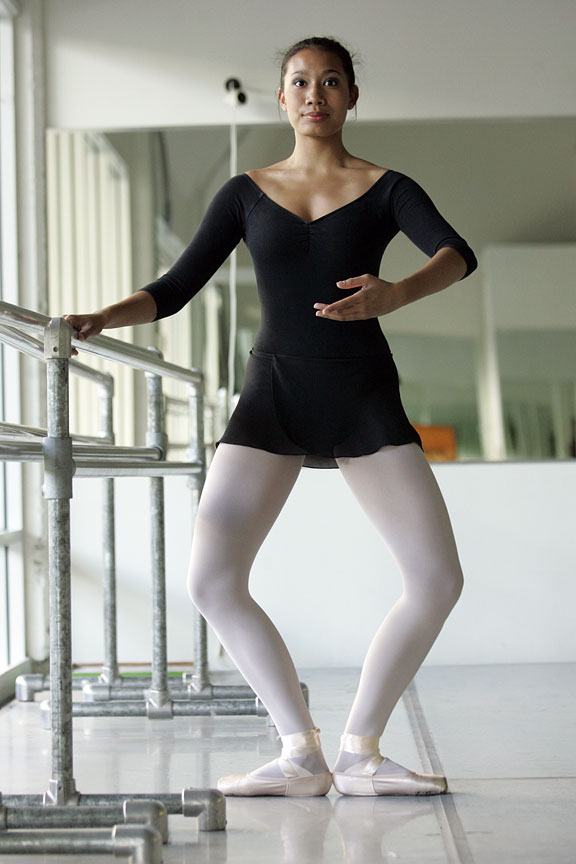
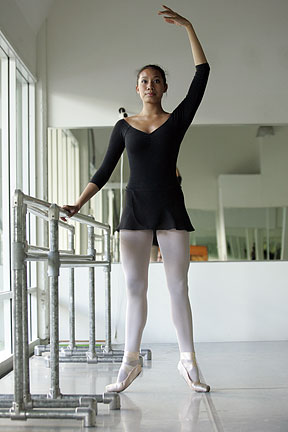
Injury to the FHL in dancers is often caused by the repetitive motion of changing position from a plié position to a relevé position. This action produces a force that is 10 times the dancer’s body weight.
Ideally, for greater stability and increased propulsion, the foot should be in a supinated position at the heel during push-off. For a dancer, any action that causes a reduction in plantar flexion motion can create an FHL injury. Biomechanically, a lack of plantar flexion leads to a prolonged pronation position of the foot when pushing off in the Propulsion Phase.
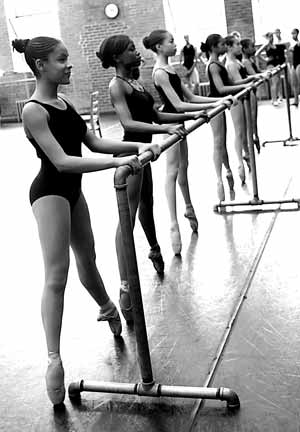
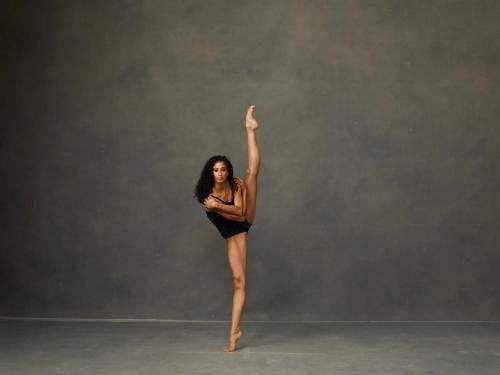
In dancers, the FHL tendon is often compressed while performing a relevé position and is over-stretched while performing a plié postion. In such a case, the dancer will feel posterior medial ankle pain when performing the plié. (Photo - Dance Theatre of Harlem).

Diagnosis and Imaging - FHL Injury

X-rays for this condition are not very specific. X-Rays are good for ruling out fractures (Calcaneus, Distal Medial Malleolus, or Os Trigonum) that may cause an impingement of the FHL tendon. It is important to note that X-Rays will not provide a definitive diagnosis of FHL injuries.
A good history is much more definitive, especially when accompanied by a full physical examination and an MRI. MRI imaging is an excellent resource for showing damage to tissue fibers, inflammation, and swelling (edema).
If the MRI is not available or is too expensive, a CT scan (Computed Tomography) can prove to be a useful alternative.

Treatment

In most cases, FHL syndrome (involving partial tears, tendinosis, or inflammatory conditions) responds well to conservative care. However, a complete tear of the FHL tendon may require corrective surgery since serious cases of FHL injury could end an athlete’s career.

Conservative care includes:

· Ice or heat depending on stage and type of injury (inflammation or not). See our Icing and Heating blog.
· Reduction in activity. Usually, some modification in all activities is necessary.
· Supports (crutches or walker boot) can be beneficial.
· Taping – Kinesio Taping. At Kinetic Health we use SpiderTech Kineso-taping.
· Soft-tissue and joint mobilization (Active Release, Graston Techniques, Massage, and Manipulation) are all therapies that we use at Kinetic Health.
· Inflammatory strategy implementation (medication for no longer than seven days). See our blog about Reducing Inflammation.
· Exercises for increased strength, flexibility and balance. Go to www.releaseyourbody.com for exercises you can use to treat this condition.
· Biomechanical corrections (footwear or Kintec Orthotics) such as those recommended or provided at Kinetic Health for patients suffering from these conditions.
· A gradual return to activities.


If you would like more information or to purchase our books please go to www.releaseyourbody.com . 

If you would like information about our clinic in Calgary Alberta please go to www.kinetichealth.ca.

(COPYRIGHT KINETIC HEALTH 2012 – ALL RIGHTS RESERVED)